

Published: January 8, 2026
Last Updated: January 16, 2026
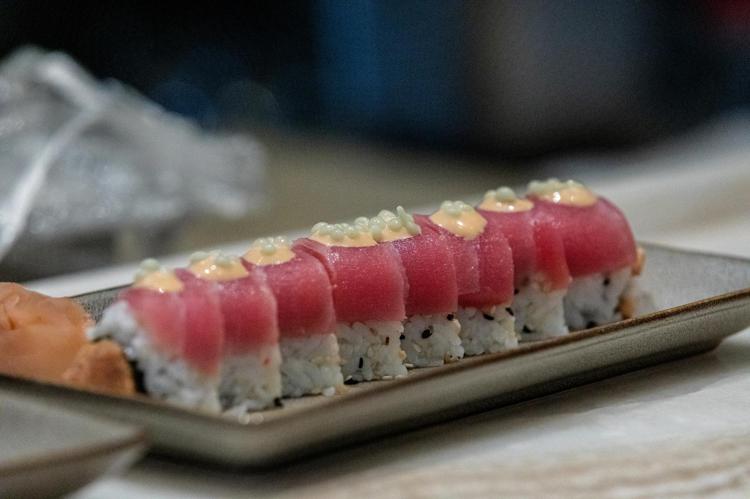
On January 5, 2026, the global culinary world watched wide-eyed as Kiyoshi Kimura, the celebrated “Tuna King” and owner of the Sushi Zanmai chain, placed a historic winning bid at Tokyo’s Toyosu Market. Kimura purchased a massive 243-kilogram (535 lb) bluefin tuna (about the size of a motorcycle) for a staggering 510.3 million yen at the first fish auction of 2026, that converts to approximately $3.2 million CAD. In fact, the restaurant chain is well-known in Japan specifically for its bluefin tuna sushi and sashimi. Bluefin tuna is prized for its ample marbling, which gives the fish a buttery texture.
The economics of this purchase are extraordinary: the price translates to an astronomical $6,060 per pound. Despite this, the restaurant chain distributed the fish to its outlets to be sold as sushi and sashimi at standard menu prices—ranging from approximately 128 to 398 yen ($1.15 to $3.60 CAD) per piece. Further, according to Food & Wine Magazine, there is a Japanese tradition of sharing one’s good fortune with others, selling the fish at regular menu prices.
This “loss leader” tactic, where an extreme price is paid for a single item to generate massive publicity, raises important questions about the Canadian tax implications if such a promotional activity were carried out here. From a Canadian tax lawyer’s perspective, the primary consideration for the Canada Revenue Agency (CRA) would be the deductibility of this extraordinary expense.
Deductibility of the Promotional Expense
The foundation of Canadian income tax law for businesses is that a taxpayer can claim a business deduction for any reasonable expense incurred for the purpose of earning business income. The central issue here is the “reasonableness” test under Section 67 of the Income Tax Act (ITA).
The CRA has the power to challenge a business deduction if it is deemed excessive or unreasonable in the circumstances. While poor business judgment is not a reason for disallowing a deduction, an expense is unreasonable if “no person of business” would have paid such an amount.
In the case of the record bluefin tuna:
- Business Purpose: The expense is clearly for advertising and promotion, not merely the cost of goods sold. Advertising expenses are generally 100% deductible in Canada.
- Reasonableness: The fair market value of the tuna is far less than $3.2 million CAD. The significant premium is the cost of international media attention. The CRA may argue that only a portion of the cost, reflective of typical advertising or fair market value of the fish, is deductible.
The story of the over-the-top purchase price was carried by Food & Wine, New York Post, The Guardian, BBC, MSN, Yahoo News Canada, CNN, The Robb Report, Reuters, and Associated Press. However, because the purchase generates worldwide headlines, a strong case can be made for the full deduction as a legitimate, albeit extreme, advertising expense. The high-profile “Tuna King” brand recognition is a significant commercial benefit, supporting the expense’s reasonableness and its deductibility for income tax purposes. - Loss Leader Strategy: By selling the tuna at regular prices (averaging under $4.00 CAD per piece of sushi), the restaurant intentionally incurs a massive direct loss on the fish. However, the overall business income generated from increased foot traffic and sales of high-margin items (like sake and other menu items) at all locations supports the commerciality and full deductibility of the initial CDN$3.2M outlay.
GST/HST Implications
For Canadian Goods and Services Tax / Harmonized Sales Tax (GST/HST) purposes, the restaurant would be a GST/HST registrant. The application of sales tax involves two distinct stages. Contact our experienced tax lawyers for help with your particular tax matter.
Stage 1: Procurement of the Raw Tuna (Wholesale)
The purchase of a whole, raw tuna from a fisher or wholesaler typically falls under the category of basic groceries, which are zero-rated (taxed at 0%) under the Excise Tax Act. This means the restaurant usually does not pay GST/HST on the raw ingredient itself. Contact our seasoned tax lawyers for help with your specific tax problem. As a GST/HST registrant, the restaurant can still claim Input Tax Credits (ITCs) to recover any GST/HST paid on related operational expenses like international shipping, specialized refrigeration, or associated marketing agency fees.
Stage 2: Sale of Sushi to Customers (Retail)
The tax rules change once the raw fish is prepared and sold as a meal in an eating establishment.
- Taxable Supply: Food sold in an “eating establishment” is generally a taxable supply. Customers would pay the full applicable GST/HST rate (e.g., 13% in Ontario) on their $1.15 to $3.60 sushi pieces.
- Establishment Rule: Because substantially all (90% or more) of a sushi restaurant’s sales are in a taxable supply form, the restaurant must collect and remit GST/HST on these sales.
Distinction from Meals & Entertainment (M&E)
It is crucial to distinguish this massive promotional expense from the 50% deduction limit for meals and entertainment expenses. Because the primary intent and outcome is massive public advertising and promotion to the general public, the full cost should be classified as an advertising expense, not a client entertainment cost, thus allowing for a full income tax deduction under the ITA.
Pro Tax Tips
- Documentation is Key: Maintain meticulous records of the purchase and the resulting media impressions. To justify the advertising expense to the CRA, you must demonstrate that the “overpayment” was a calculated move to increase brand equity and long-term revenue.
- Advertising vs. M&E: Ensure high-value promotional outlays are clearly distinguished from client meals and entertainment, which are generally only 50% deductible for income tax purposes.
- Inventory vs. Promotion: While most fish is recorded as cost of goods sold, the “premium” paid over market value for a record-breaking fish should be tracked specifically as a marketing outlay to protect the full deduction.
FAQ
Q: Can the restaurant fully claim the $3.2 million expense as a business deduction?
A: Yes, if documented as a reasonable advertising expense intended to generate business income across the entire chain, it would be a fully deductible operating expense under the Income Tax Act in Canada.
Q: Why sell it at normal prices if they paid $6,060 per pound?
A: This is a classic “loss leader.” The goal is to provide a public service and generate goodwill, which translates into increased customer loyalty and brand prestige that far outweighs the cost of the fish.
Q: Is the cost of the tuna considered a capital expense?
A: No. Despite the high price, it is an ongoing operational expense for advertising and inventory, not a long-term capital asset like real estate or equipment.
Disclaimer: The tax advice in this document is based on current tax law and interpretations, which are subject to change. Changes can be retroactive and may result in additional taxes, interest, or penalties. This information is for general knowledge and does not constitute formal tax advice. Please consult with a qualified tax professional for advice specific to your situation.
About the Author